Cryptocurrencies have gained far-reaching popularity as an investment option, attracting different age groups with varying levels of interest and adoption. A comprehensive analysis of multiple studies and surveys sheds light on the generational differences in cryptocurrency investment preferences. This blog will let you know which generation is mostly investing in cryptocurrencies.
Millennials
- Ownership: Millennials, aged 26-41, emerge as the frontrunners in cryptocurrency ownership, with a substantial 43% holding crypto investments.
- Perceptions: More than half of millennials view cryptocurrency as the future of finance, with 49% considering it "the future of finance".
- Optimism: Millennials are highly optimistic about the potential of cryptocurrencies, believing that blockchain technology will create future job opportunities and economic growth.
- Reasons for Investment: Millennials see cryptocurrencies as a means to invest, build wealth, diversify portfolios, and facilitate global transactions independently of traditional financial institutions.
Gen X and Gen Z
- Ownership: Gen X (ages 42-57) and Gen Z (ages 18-25) also show significant interest in cryptocurrencies, with 28% and 23% respectively holding crypto investments.
- Investment Returns: Both Gen X and Gen Z believe that cryptocurrencies will offer substantial investment returns over the next decade, positioning them as key players in the crypto market.
- Tech-Savvy: Gen Z, being digital natives, demonstrates a keen interest in blockchain technology and digital assets, driven by their familiarity with internet technologies.

Baby Boomers
- Ownership: Baby boomers (ages 58-76) exhibit the lowest interest in cryptocurrencies, with only 8% investing in crypto assets.
- Perceptions: Baby boomers are generally skeptical and find cryptocurrencies too risky or confusing, often preferring traditional investment options like stocks and real estate.
- Resistance to Change: Baby boomers' reluctance towards cryptocurrencies can be attributed to their preference for familiar investment strategies and their limited exposure to digital technologies.
How Has the Interest in Cryptocurrencies Changed Over Time?
The interest in cryptocurrencies has evolved significantly over time, reflecting changing perceptions and adoption rates across different age groups.
Initially, cryptocurrencies like Bitcoin emerged as a novel concept, gaining traction among computer geeks and individuals seeking decentralized financial solutions.
As the market expanded, more cryptocurrencies were introduced, leading to a surge in popularity and investment opportunities.
Over the years, the interest in cryptocurrencies has grown exponentially, with millennials, Gen X, and Gen Z showing increasing enthusiasm for digital assets as investment options and technological innovations.

Key trends in the evolution of interest in cryptocurrencies include:
- Initial Curiosity and Speculation: Cryptocurrencies started as a niche concept, attracting early adopters intrigued by the potential of blockchain technology and decentralized finance.
- Widespread Adoption: As cryptocurrencies gained mainstream attention, more individuals began investing in digital assets, driven by the promise of high returns and technological advancements.
- Generational Divide: Different age groups exhibit varying levels of interest, with millennials leading the pack in cryptocurrency ownership and enthusiasm, followed by Gen X and Gen Z.
- Regulatory Scrutiny: Governments worldwide have started to analyze and regulate cryptocurrencies, impacting their acceptance and use as legal tender in some countries.
- Security Challenges: The rise in cryptocurrency value has made digital assets attractive targets for hackers, highlighting the importance of robust security measures and regulatory frameworks.
Overall, the interest in cryptocurrencies has transitioned from a novel concept to a mainstream investment option, with a growing number of individuals recognizing the potential of digital assets in reshaping the future of finance and technology.
What Are the Most Popular Cryptocurrencies Currently?
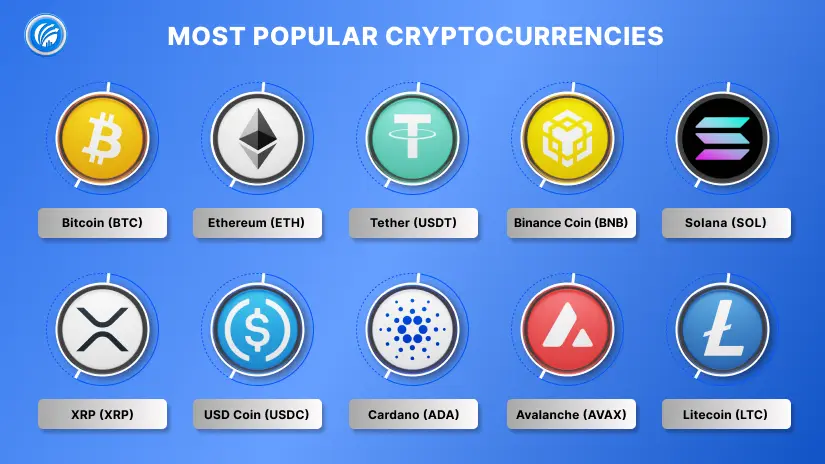
The most popular cryptocurrencies currently include:
- Bitcoin (BTC)
- Ethereum (ETH)
- Tether (USDT)
- Binance Coin (BNB)
- Solana (SOL)
- XRP (XRP)
- USD Coin (USDC)
- Cardano (ADA)
- Avalanche (AVAX)
- Litecoin (LTC)
These cryptocurrencies have gained significant traction in the market and are widely recognized for their market capitalization, technological innovations, and use cases within the cryptocurrency ecosystem.
What Are the Advantages of Investing in Cryptocurrencies?
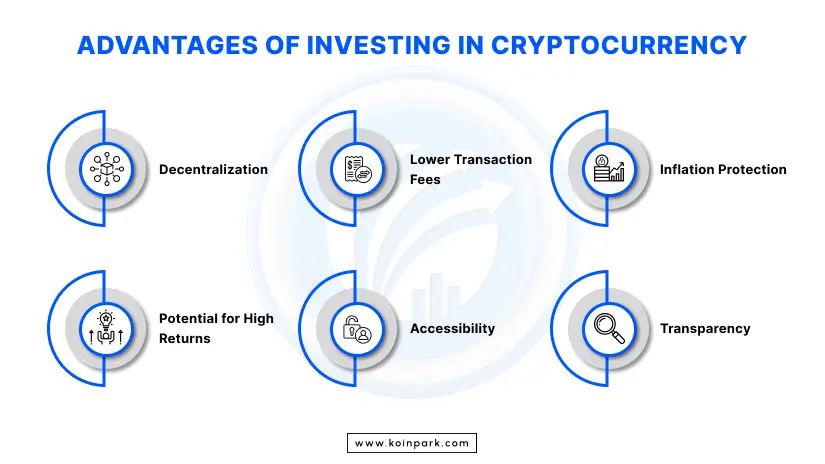
Decentralization
Cryptocurrencies are not controlled by a single financial or government entity, eliminating the monopoly of money and ensuring that their value is not dictated by central authorities.
Lower Transaction Fees
Cryptocurrency transactions involve minimal or zero fees since they eliminate third parties like VISA and PayPal, making cross-border transactions more efficient and cost-effective.
Inflation Protection
Cryptocurrencies, like Bitcoin, have a limited supply, protecting against inflation. The capped supply ensures that the value of cryptocurrencies is not diluted by increasing the money supply.
Potential for High Returns
Despite market volatility, most cryptocurrency investments offer high returns, attracting investors with the possibility of significant profits.
Accessibility
Cryptocurrencies enhance financial accessibility by operating on decentralized networks that do not require identity verification, background checks, or credit checks for opening a crypto wallet. This makes cross-border transactions easier and faster.
Transparency
While cryptocurrency transactions are anonymous, the data recorded on public blockchain ledgers like Bitcoin and Ethereum is publicly available, allowing users to track transactions for transparency.
How Can One Invest in Cryptocurrencies?
To invest in cryptocurrencies, individuals can follow these steps:
- Get Finances in Order: Before investing in crypto, ensure that your finances are organized and that you have emergency savings in place.
- Start Small: Only invest an amount of capital that you are fully prepared to lose, typically no more than 5% of your portfolio, to limit the impact of potential losses on your overall financial situation.
- Use Dollar-Cost Averaging: Consider using dollar-cost averaging by making small, recurring purchases on a set schedule, such as weekly or monthly, to build your position methodically and avoid trying to time the market.
- Research and Stick to Fundamentals: Conduct thorough research on cryptocurrencies and stick to the fundamentals of the projects you are investing in to make informed decisions.
- Go for a Secure Wallet: Safely store your cryptocurrencies in a secure wallet like koinpark wallet to protect your investments from potential security threats.
- Consider Diversification: Limit your allocation to cryptocurrencies to manage overall volatility and risk, especially if you are new to crypto investing. Start with a small percentage of your portfolio, like 1% to 2%, as an introduction.
- Select a Reputable Exchange: Choose a reputable cryptocurrency exchange like Koinpark, to buy and sell cryptocurrencies securely.
- Understand Tax Implications: Be aware of the tax implications of cryptocurrency investments, as they are treated as capital assets. Ensure you understand the tax rules and report your crypto transactions accurately.
By following these steps and conducting thorough research, individuals can effectively invest in cryptocurrencies while managing risks and maximizing potential returns.
What Are the Fees Associated with Buying and Selling Cryptocurrencies?
The fees associated with buying and selling cryptocurrencies can vary based on the platform and the type of transaction. Here is a summary of all common fees:
- Transaction Fees: When buying, selling, or exchanging cryptocurrencies on trading platforms like Binance, fees are charged. These fees can be tiered based on your trading volume over a 30-day period. Maker fees are lower than taker fees, and the fees decrease as your trading volume increases. Additionally, some exchanges require holding a specific amount of their native coin to qualify for lower fees.
- Network Fees: Each cryptocurrency transaction incurs network fees, which are automatically included in the transaction price. For example, Bitcoin transactions have network fees, Ethereum transactions have gas fees, and Solana transactions have processing costs. These fees are essential for maintaining blockchain networks and are typically small. However, they can increase significantly during periods of high network activity.
- Wallet Fees: Blockchain wallets that are not part of a cryptocurrency exchange platform may charge their own fees for deposits. These fees support the development and maintenance of the wallet service.
- Exchange Fees: Cryptocurrency exchanges charge fees for trading services, including buying, selling, or exchanging digital currencies. These fees contribute to the revenue of the exchanges, along with other revenue streams like advertising and premium services. The fee structures can vary between exchanges, with some offering tiered fees based on trading volume and different rates for makers and takers.
Overall, when investing in cryptocurrencies, it is essential to consider these various fees to understand the total cost associated with buying, selling, and trading digital assets.
Bottom Line
In summary, cryptocurrency investment trends vary across generations, with millennials leading followed by Gen X and Gen Z, while baby boomers show limited interest. Popular cryptocurrencies like Bitcoin and Ethereum dominate the market. Choose India's no.1 cryptocurrency exchange and invest. Smart investing offers advantages like decentralization and the potential for high returns, requiring research and a cautious approach.